Concrete is one of the most durable building materials you can invest in for your home or business. From driveways and patios to walkways and foundations, concrete plays an important role in your property’s function, safety, and appearance. However, even the strongest concrete surfaces will show signs of wear over time due to weather, heavy use, and age.
Many homeowners put off repairs, thinking minor cracks or uneven surfaces aren’t urgent. In reality, addressing concrete issues promptly not only improves safety but also protects — and can even increase — your property value. Here’s why timely concrete repairs matter and how they can benefit you in the long run.
Small Problems Can Become Big Expenses
Cracks, chips, or surface deterioration might seem minor at first, but they rarely stay that way. When left untreated, small cracks allow water to seep into the concrete. This moisture can freeze and expand, making cracks worse. Over time, this can weaken the integrity of the slab, leading to larger fractures, shifting, and even structural damage that requires costly replacement instead of simple repairs.
Risks of Delaying Repairs:
- Water infiltration and freeze-thaw damage
- Trip hazards and liability risks
- Soil erosion or washout under slabs
- Increased repair costs due to worsening damage
Addressing issues early saves money by stopping problems before they escalate.
Protects Curb Appeal
Your exterior concrete surfaces play a big role in the first impression your property makes. Cracked, stained, or uneven driveways and walkways can make an otherwise beautiful home look neglected.
When potential buyers or appraisers see a well-maintained driveway, patio, or sidewalk, they immediately sense that the entire property has been cared for. This attention to detail boosts curb appeal, which can translate to a higher selling price and a faster sale if you decide to list your property.
Key Areas That Impact Curb Appeal:
- Driveways and front walkways
- Front porches and entryways
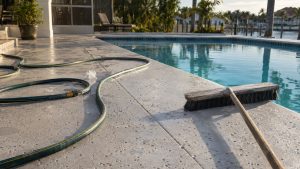
- Patios and pool decks
- Retaining walls and decorative concrete
Maintains Safety and Prevents Liability
Damaged concrete isn’t just an eyesore — it can be a serious safety hazard. Uneven surfaces, lifted slabs, or cracks can lead to trips and falls for family, guests, or customers.
If someone gets hurt on your property due to neglected concrete damage, you could be held liable for medical costs or legal claims. Proactively repairing uneven or broken concrete helps keep everyone safe and minimizes your risk of expensive liability issues.
Common Safety Hazards:
- Raised edges on walkways
- Sunken slabs near driveways or garages
- Cracks in pool decks
- Crumbling steps or entryways
Helps Prevent Structural Issues
Certain concrete surfaces, like foundations and slabs, play a critical role in your home’s structural integrity. Small cracks in these areas can lead to moisture intrusion, mold growth, or shifting that affects walls, doors, and windows.
Timely repairs can help prevent major structural damage that could cost thousands to fix and reduce your property’s resale value.
Examples of Critical Repairs:
- Foundation cracks that allow water leaks
- Settling concrete that affects interior floors
- Cracks in retaining walls that cause soil erosion
Saves Money Over Time
While some homeowners put off repairs to save money upfront, the cost of ignoring damaged concrete usually adds up to more in the end. Fixing minor cracks or sealing a surface is far less expensive than tearing out and replacing entire slabs once the damage spreads.
Additionally, routine concrete maintenance like cleaning and sealing extends the lifespan of your concrete, delaying the need for major work for years.
Supports Home Inspections and Appraisals
When selling your home, any visible damage will come up during a buyer’s home inspection. Cracks, crumbling edges, or drainage issues can be red flags for buyers and appraisers, potentially lowering your property value or delaying the sale.
On the flip side, well-maintained concrete surfaces reassure buyers that your property has been cared for, which can strengthen your negotiating power during a sale.
How to Know When to Schedule Repairs
Not sure if your concrete needs attention? Watch for these common signs that it’s time to call a professional:
- Cracks wider than 1/4 inch
- Uneven surfaces or sunken areas
- Pooling water around cracks
- Crumbling or spalling concrete
- Exposed aggregate or pitting
Work with a Professional Concrete Contractor
A reputable concrete contractor can assess the damage and recommend the best solution, whether it’s simple patching, resurfacing, or slab leveling. Attempting DIY fixes may not address the root cause and could lead to more problems down the line.
Professional repairs are done with proper materials, reinforcement, and finishing techniques that restore the look and function of your concrete while adding value to your property.
Conclusion
Timely concrete repairs are a smart investment that protects your home’s safety, curb appeal, and value. By addressing small issues now, you avoid bigger problems and expenses in the future — and keep your property looking its best for years to come.
At Optima Construction Group, we provide expert concrete repair services to keep your property safe, attractive, and valuable. Whether you need driveway crack repair, patio resurfacing, or foundation fixes, our skilled team is ready to help.
Ready to Protect and Improve Your Property?
Don’t wait for small cracks to turn into big problems. Contact Optima Construction Group today to schedule a concrete inspection and get a detailed repair plan that suits your needs and budget.
Call (941) 536-5607
Email admin@optimaconstructiongroup.com