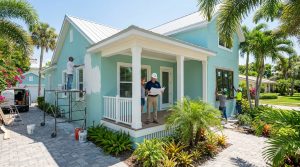
The Contractor Who Cost a Sarasota Homeowner $40,000
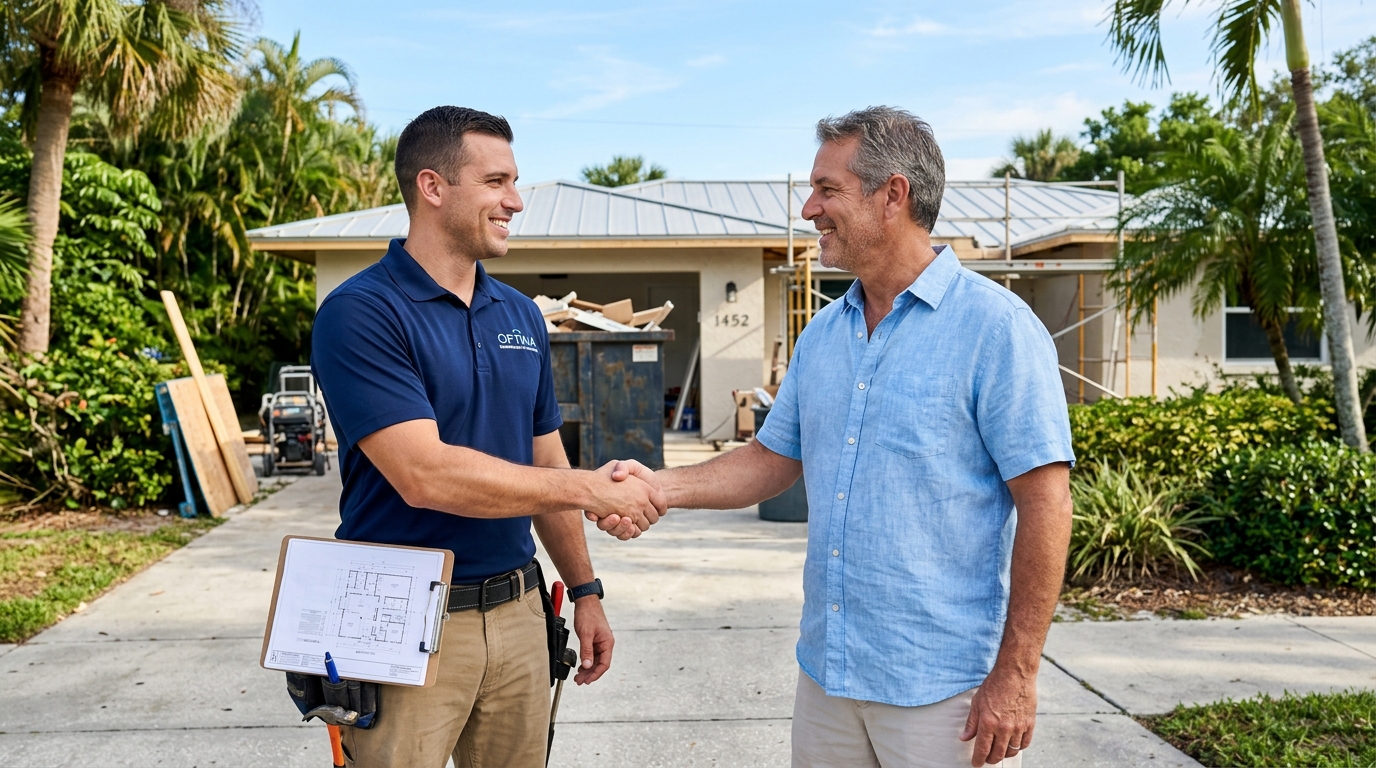
I’ll tell you a story we hear too often in this industry. A homeowner in Sarasota gets three quotes for a major renovation. Two licensed contractors come in at similar numbers. A third guy, no license mentioned, comes in $12,000 lower. The homeowner goes with the third guy. Work starts, progress looks good for a few weeks, and then the contractor disappears with half the project incomplete and the deposit long spent.
The homeowner calls the county. The contractor has no license on file. No bond. No recourse through the state’s contractor recovery fund because the fund only protects consumers who hired licensed contractors. The homeowner hires a licensed contractor to finish the job and ends up paying far more than the original licensed quotes would have cost.
That story has variations, but the ending is almost always the same. Hiring an unlicensed contractor in Florida is a gamble with your home and your money, and the house usually loses.
So let’s talk about how to actually verify a licensed general contractor in Sarasota, FL, and what you should be looking for before you sign anything.
What Florida Contractor Licensing Actually Means
Florida has one of the more rigorous contractor licensing systems in the country, managed by the Florida Department of Business and Professional Regulation. To hold a Certified General Contractor license in Florida, a contractor has to pass a state examination, meet financial responsibility requirements, carry workers’ compensation and general liability insurance, and maintain continuing education.
There’s an important distinction between a Certified contractor and a Registered contractor in Florida. A Certified contractor holds a state-issued license that’s valid statewide. A Registered contractor is only licensed to work within a specific local jurisdiction based on that jurisdiction’s approval. For most homeowners, a Certified contractor offers broader protection.
At Optima Construction Group, we hold license CBC1269931 and we are licensed, bonded, and insured. That’s information we share without hesitation because it’s one of the first things any informed homeowner should ask for.
How to Verify a Contractor’s License in Florida
This takes about two minutes and every homeowner should do it before signing a contract. Go to the DBPR contractor license verification tool and enter the contractor’s name or license number. The system will show you the license type, the license status, whether there are any open complaints or disciplinary actions, and the expiration date.
A few things to look for:
License status should say “Current, Active.” Any other status is a red flag. Licenses can be suspended, on probation, or lapsed, and the contractor may not tell you that voluntarily.
The name on the license should match the company or individual you’re contracting with. Some contractors will show you a license that belongs to a qualifier they’re no longer associated with. The qualifier has to actually be supervising the work.
Check the complaint history. The DBPR complaint records are public. A single complaint from years ago that was resolved may not be concerning. A pattern of complaints is a different story.
You should also ask for a copy of the contractor’s general liability insurance certificate and their workers’ compensation certificate. These should name your project address or you as an additional insured. A contractor who balks at providing these documents is telling you something important.
What Bonded and Insured Actually Means for You
Licensed, bonded, and insured. You see this phrase everywhere in contractor marketing, including ours. It’s worth understanding what each piece actually does for you as a client.
Being licensed means the contractor has met the state’s competency and financial requirements. Being insured, specifically carrying general liability insurance, means that if a contractor or their crew damages your property during the project, there’s coverage available. Workers’ compensation insurance means that if a worker is injured on your property, you’re not the one facing a lawsuit.
The bond is a different instrument. A contractor’s license bond protects against specific types of contractor fraud or abandonment. It’s not unlimited protection, but it’s a meaningful layer of recourse that you simply don’t have with an unlicensed contractor.
None of these protections exist when you hire someone who isn’t licensed. The Florida Construction Industry Licensing Board maintains recovery funds specifically for consumers defrauded by licensed contractors. If the contractor isn’t licensed, that fund is not available to you.
Beyond the License: What Else to Check
Licensing is the baseline, not the ceiling. A licensed contractor who communicates poorly, subcontracts work to people with no accountability, or gives you a lowball number and then loads the project with change orders is still a problem, even if their paperwork is in order.
Ask for references. Not a list of five names the contractor picked, but references from projects similar in scope and budget to yours. Call them. Ask specifically about communication, how change orders were handled, and whether the project finished close to the original timeline.
Ask how subcontractors are managed. A general contractor who uses subcontractors isn’t a problem; almost all GCs do. But you want to know that those subs are licensed in their trades and that the GC takes accountability for their work. We work very closely with vendors and subcontractors who specialize in their respective trades, and we maintain those relationships because the quality of our work depends on them.
Ask what the communication process looks like throughout the project. This is where a lot of construction relationships break down. We believe in prompt, consistent, and open communication between our team, our clients, and our service providers. That belief comes from experience watching projects go wrong when communication does.
You can read more about how we work with clients on our about page and our services overview.
The Questions Worth Asking Before You Sign
Here’s a short list of questions we think every homeowner should ask a contractor before signing a contract:
- What is your Florida contractor license number, and can I see a copy of the license?
- Are you the qualifier on this license, and will you be on-site supervising this work?
- Can I see your current general liability and workers’ comp certificates?
- Who are the subcontractors on this project, and are they licensed in their trades?
- How do you handle change orders, and what requires written approval?
- What does your communication process look like during the project?
A contractor who answers all of those questions clearly and without irritation is a contractor worth talking to. One who deflects, gets defensive, or can’t answer the license question is not.
Hiring With Confidence in Sarasota
Finding a reliable, licensed general contractor in Sarasota, FL doesn’t have to be a leap of faith. The tools exist to verify credentials, the references exist to check track records, and the right contractor will welcome your due diligence rather than resist it.
Optima Construction Group operates under license CBC1269931. We are licensed, bonded, and insured. We serve homeowners and commercial clients across Sarasota, Manatee, and the Tampa Bay area, and we bring integrity, communication, and professionalism to every project we take on.
If you’re vetting contractors for an upcoming project and want to talk through scope and approach, call us at (941) 203-3339 or email admin@optimaconstructiongroup.com. We’re happy to answer every question on that list above.